
Courtesy of the Rockefeller Archive Center.
Courtesy of the Rockefeller Archive Center.
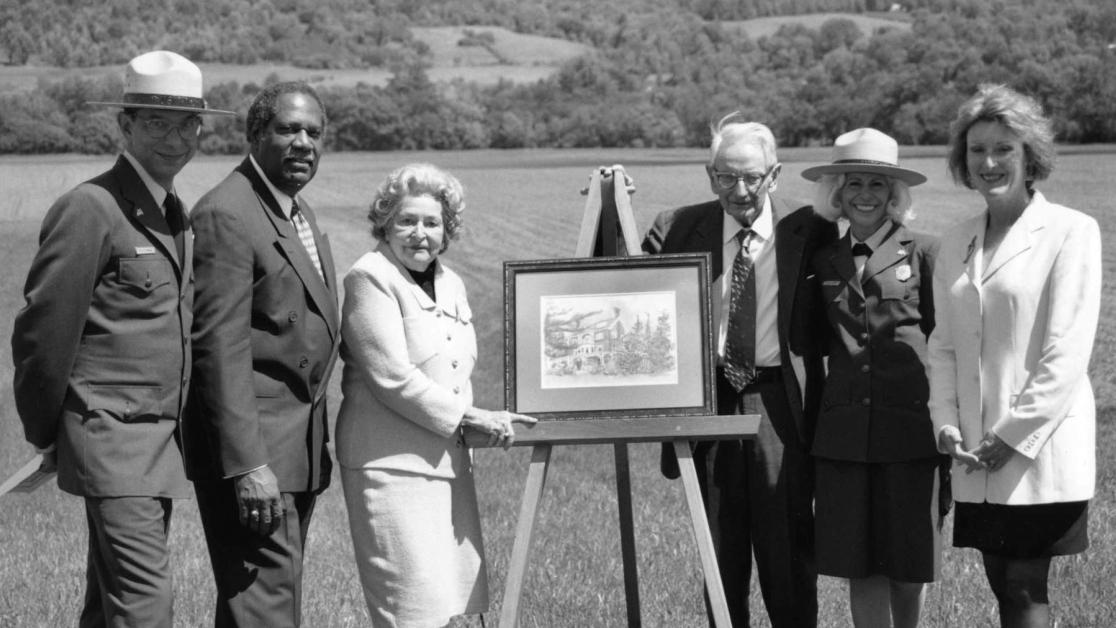
Lady Bird Johnson, Laurance Rockefeller, and rangers at Woodstock National Historic Park, Vermont.
Every summer, millions of Americans venture into national parks, protected landscapes that represent one of our nation's most enduring commitments to the common good. National parks serve as guardians of our nation’s natural heritage and history: preserving critical wildlife habitats, conserving clean air and water, uplifting Indigenous culture, and offering unparalleled opportunities for education and research. They also serve as powerful examples of what we can achieve when we prioritize collective benefit over individual gain—ensuring that future generations inherit a healthy planet.
America’s parks also reflect a vision championed by generations of Rockefellers who believed that conservation and public access can—and should—go hand-in-hand. In that spirit, the family has long contributed to the growth of parks around the country. John D. Rockefeller, Jr. was deeply moved by the rolling landscape of the family’s original estate in Forest Hills, Ohio. He went on to make a $5 million contribution to the Great Smoky Mountains National Park in honor of his mother and made generous land donations to Acadia, Shenandoah, and Grand Teton national parks, among others. Beyond the land, he also recognized the importance of history and culture, funding centers like the Mesa Verde interpretive center and other “trailside museums.”
Courtesy of the Rockefeller Archive Center.
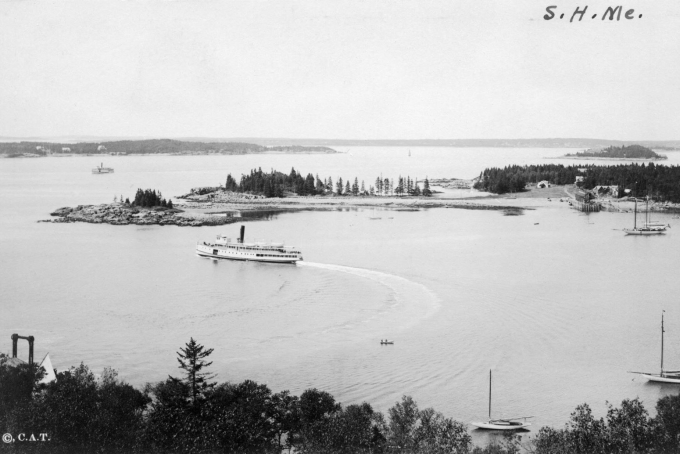
Concerns about tourism development led some summer residents to band together and purchase the summit of the local Cadillac Mountain and other sites. The land was ultimately gifted to the U.S. government and is now Acadia National Park.
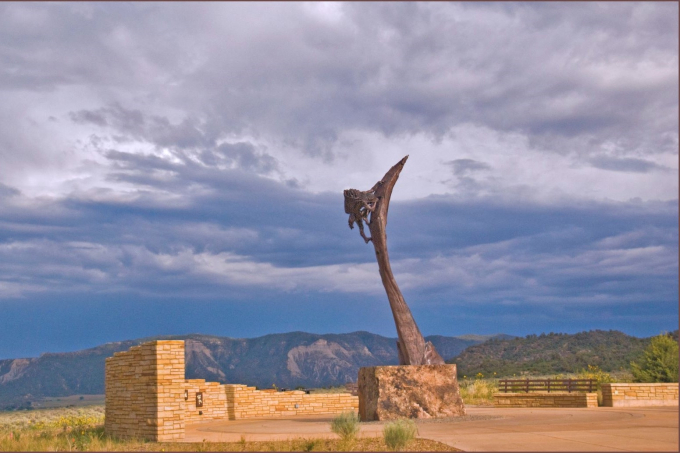
Photo by Ron Cogswell via Flickr.
The Ancient Ones, a sculpture by Edward Faraughton, honors the Anasazi people—the ancestors of the modern Pueblo, Navajo, and Zuni—who lived in the areas surrounding Mesa Verde and other parts of the American Southwest.
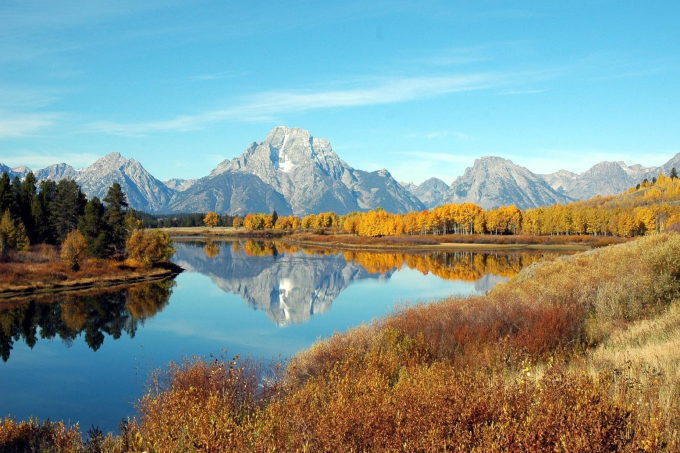
Photo by chascar via Flickr.
John D. Rockefeller, Jr., maintained a close connection to the Jackson Hole area, buying and donating additional land to the Grand Teton National Park until his death. Laurance S. Rockefeller donated the final parcel in 2001.
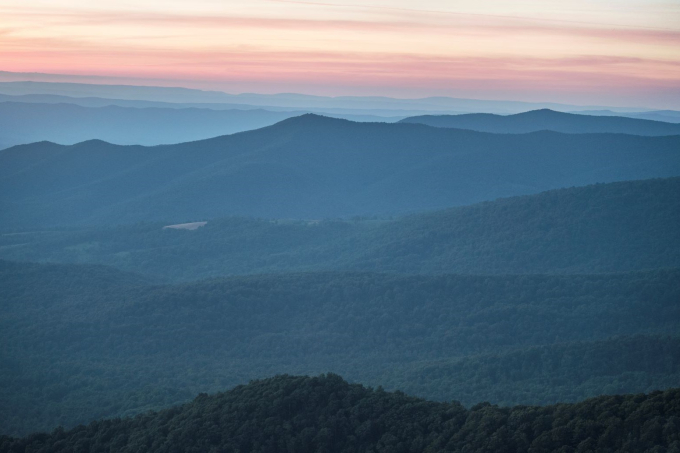
Photo courtesy of TripOfALifestyle.com.
In 1924, John D. Rockefeller, Jr. provided funding for a study to create a park in the southern Appalachians. Two great national parks were enabled by this study: Shenandoah and Great Smoky Mountains National Parks.
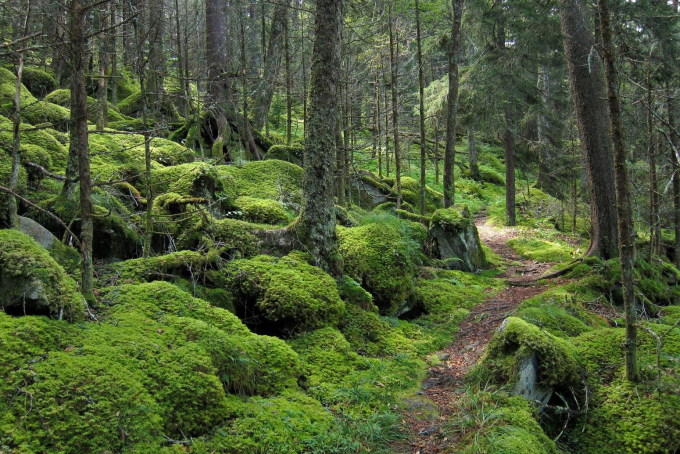
Photo by Miguel.v via Wikipedia.
The Laura Spelman Rockefeller Memorial contributed $5 million to fill a funding gap for the establishment of the Great Smoky Mountains National Park to honor the spirit of the Rockefeller matriarch.
All of Jr.’s six children pursued conservation in their own right, building trails in Acadia, helping maintain and operate New York City parks, expanding parkland in New York State, and protecting land in the Ozarks. Rockefeller Brothers Fund cofounder Laurance Rockefeller was particularly dedicated to the cause, becoming deeply engaged with conservation initiatives driven by an understanding that environmental preservation, recreation, and equitable access should align. He donated private land in Wyoming, New York, and Maine so it could be accessible to all and advised five U.S. presidents on environmental issues. He worked with his brother and then-governor of New York Nelson Rockefeller to acquire more than 300,000 acres of land for urban parks, wilderness, and forest recreation areas in the state.
Amid growing pressure on both our natural world and the democratic institutions that can protect it, national parks are in many ways more important than ever before. The Rockefeller legacy of commitment to this kind of land conservation reminds us of what is possible when we summon the courage to act on our values. These parks stand as monuments to an enduring American spirit and the belief that some things transcend market value—that beauty, wilderness, and the opportunity for renewal belong to all.